
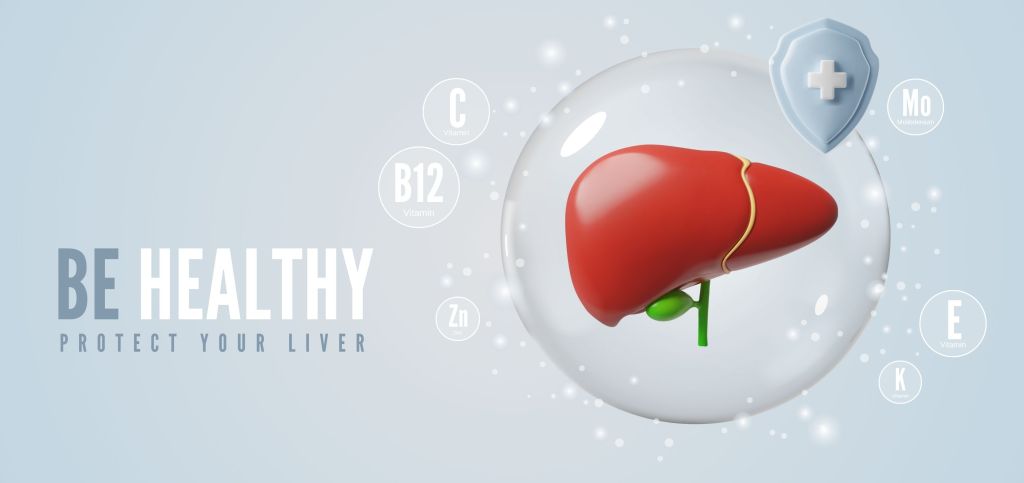
Understanding the Root Cause Through Modern Medicine and Ayurveda
“Doctor, I don’t drink alcohol. Then why do I have fatty liver?”
This is one of the most common questions we hear at Swapnadeep Ayurveda Bhavan. Many people are surprised when an ultrasound reveals fatty liver despite having no pain, normal liver tests, and no alcohol consumption.
The truth is that fatty liver is not simply a liver disease—it is often a sign of an unhealthy metabolism. The liver is sending an early warning signal, long before serious complications appear.
The Liver – Your Body’s Silent Metabolic Factory
The liver performs over 500 essential functions, including:
Processing nutrients from food
Regulating blood sugar
Producing proteins
Storing vitamins
Removing toxins
Metabolizing fats
When these processes are disturbed over time, excess fat begins to accumulate inside liver cells, leading to Metabolic Dysfunction-Associated Steatotic Liver Disease (MASLD), previously known as Non-Alcoholic Fatty Liver Disease (NAFLD).
The worrying part? Most people experience no symptoms during the early stages.
Why Does Fatty Liver Develop?
Fatty liver usually develops because of multiple lifestyle and metabolic factors acting together, rather than a single cause.
The most common contributors include:
- Insulin Resistance
Even before diabetes develops, the body may become resistant to insulin. As a result:
More fat is stored in the liver.Blood sugar may remain normal for years.HbA1c can still be within the normal range.This is why a “normal sugar report” does not always mean a healthy metabolism
2. Excess Calories
The liver stores excess calories as fat when intake consistently exceeds the body’s needs. This can happen even without eating obvious junk food if portion sizes are large and physical activity is low.
3. Abdominal Obesity
A growing waistline often reflects visceral fat, which is strongly associated with fatty liver.
Sometimes, the tape measure is a more useful warning tool than the weighing scale
4. Sedentary Lifestyle
The human body was designed to move. Long hours of sitting reduce muscle activity and contribute to insulin resistance, making fat accumulation in the liver more likely.
5. Poor Sleep and Chronic Stress-
Sleep deprivation and persistent stress influence hormones that regulate appetite, metabolism, and fat storage. Lifestyle is often just as important as diet.
The Ayurvedic Perspective
Ayurveda does not describe “fatty liver” by that modern name. However, it provides a framework for understanding metabolic imbalance through Agni, Ama, Meda Dhatu, and Santarpana.
A Classical Principle
रोगाः सर्वेऽपि मन्देऽग्नौ।
“Many diseases begin when Agni (digestive and metabolic function) becomes impaired.”
From an Ayurvedic perspective, disturbed Agni may contribute to incomplete metabolism and imbalance in tissue nourishment.
Another Classical Reference
सन्तर्पणोत्था रोगाः।
(Charaka Samhita)
Many diseases arise from over-nourishment and excess.
Today’s lifestyle often includes:
Excess calorie intake
Minimal physical activity
Mental stress
Irregular sleep
These factors can be viewed as contributing to metabolic imbalance.
Meda Dhatu –
Ayurveda describes Meda Dhatu as the body’s fat tissue. When Meda is disturbed, patients may experience:
Weight gain
Heaviness
Reduced physical activity
Sluggishness
While this is not identical to the modern diagnosis of fatty liver, both systems recognize that disturbances in metabolism can affect overall health.
Why Normal Liver Tests Can Be Misleading
One of the biggest misconceptions is:
“My SGPT is normal, so my liver must be healthy.”
Many individuals with fatty liver have:
Normal SGPT (ALT),Normal SGOT (AST),Normal HbA1c,No symptoms – Yet ultrasound or FibroScan may reveal fat accumulation in the liver. This is why no single report should be interpreted in isolation.
Our Clinical Approach at Swapnadeep Ayurveda Bhavan
At Swapnadeep Ayurveda Bhavan, we believe that understanding the disease comes before deciding on treatment.
Our evaluation includes:
Medical history
Waist circumference
Body weight and BMI
Blood pressure
HbA1c
Lipid profile
Liver function tests
Ultrasound or FibroScan (when available)
Lifestyle assessment
Ayurvedic examination, including Agni, Prakriti, and other relevant factors
Only after this comprehensive assessment do we discuss the most appropriate management plan.
Depending on the individual, this may include:
Nutrition and lifestyle changes
Physical activity recommendations
Weight management
Individualized Ayurvedic treatment
Panchakarma where clinically appropriate
Referral for specialist care when needed .At our clinic, we often tell patients:
“We don’t treat fatty liver. We treat the person who has fatty liver.”
Every patient’s metabolism, lifestyle, and health risks are different.
That is why treatment should be individualized rather than based on a standard package.
The Goal Is Prevention
Ayurveda beautifully defines its purpose:
स्वस्थस्य स्वास्थ्य रक्षणं
आतुरस्य विकार प्रशमनं च॥
“The primary aim of Ayurveda is to preserve the health of the healthy and to relieve disease in those who are ill.”This principle aligns well with modern preventive medicine: identify risk early, intervene thoughtfully, and prevent progression.
Fatty liver is often a silent warning that the body’s metabolism needs attention—not just the liver itself.
If you have:
Increasing waist size
Weight gain
Prediabetes or diabetes
High triglycerides
Obesity
PCOS
A family history of metabolic disease, don’t wait until symptoms appear.
Early assessment offers the best opportunity to improve metabolic health.
At Swapnadeep Ayurveda Bhavan, Dr. Swapnil Chaudhari combines careful interpretation of modern investigations with individualized Ayurvedic assessment to help patients understand their condition, make informed decisions, and adopt sustainable lifestyle changes. Our commitment is not to promise miracle cures, but to provide clinical clarity, authentic Ayurveda, and honest care.


 Best Ayurvedic Doctor & Panchakarma Centre in Kharghar – Swapnadeep Ayurveda