Ayurveda is an ancient Indian system of medicine with a holistic approach to health and well-being, dating back over 5,000 years. It emphasizes balancing the body’s natural energies, known as doshas, through diet, lifestyle changes, and natural treatments. Ayurveda aims to prevent illness, heal the sick, and preserve life.
Here’s a more detailed look at Swapnadeep Ayurveda:
Key Concepts @ Swapnadeep Ayurveda:
- Doshas:Ayurveda identifies three main life forces (doshas): Vata (air and space), Pitta (fire and water), and Kapha (water and earth). These doshas are believed to govern various bodily functions and influence personality and health.
- Holistic Approach:Ayurveda considers the interconnectedness of the mind, body, and spirit, focusing on overall well-being rather than just treating symptoms.
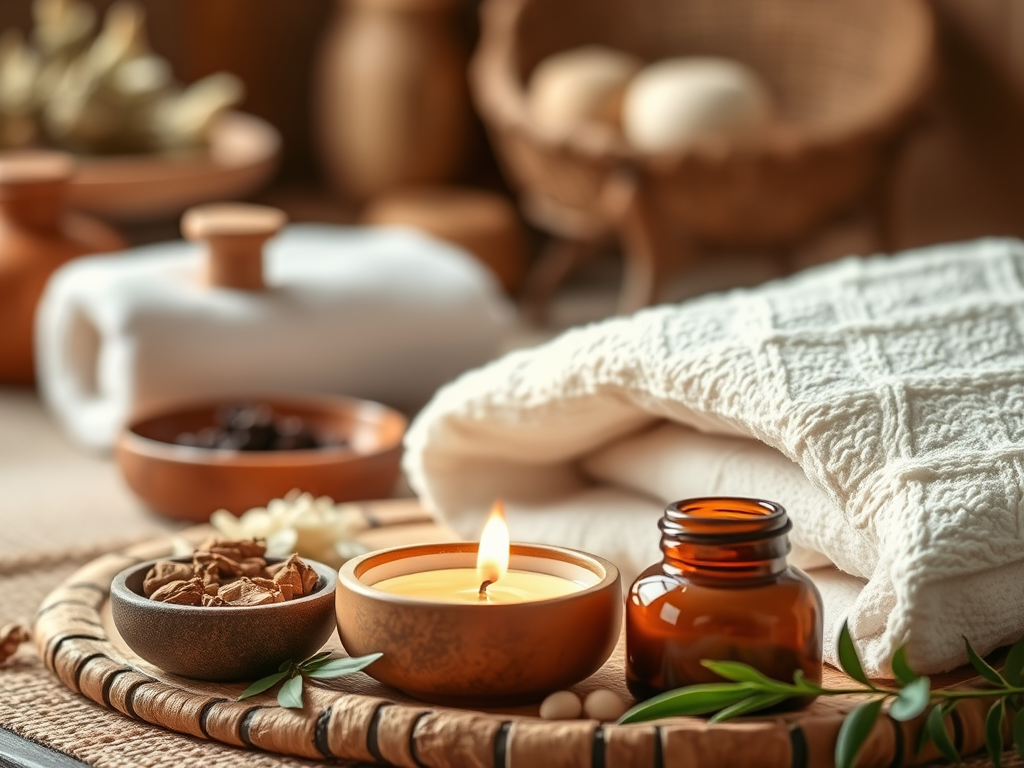
- Natural Treatments:Ayurvedic treatments often include herbal remedies, dietary changes, yoga, massage, and lifestyle adjustments to restore balance.
- Panchakarma:This is a detoxification process involving five primary therapies to eliminate toxins and restore balance.
How Swapnadeep Ayurveda Works:
- Assessment:Ayurvedic practitioners assess an individual’s dosha constitution and imbalances through various methods, including observation, questioning, and pulse diagnosis.
- Treatment Plan:Based on the assessment, a personalized treatment plan is developed, which may include dietary recommendations, lifestyle adjustments, herbal remedies, or other therapies.
- Maintenance:Ayurveda emphasizes preventative care and maintaining balance through lifestyle choices and regular practices.
Examples of Swapnadeep Ayurvedic Practices:
- Diet:Ayurveda emphasizes eating seasonal, whole foods that are in balance with the individual’s doshas.
- Yoga:Ayurveda integrates yoga as a practice to promote physical and mental well-being.
- Herbal Remedies:Ayurveda utilizes a wide variety of herbs and spices, some of which include Ashwagandha, Turmeric, Ginger, and Black Pepper.
- Massage:Ayurvedic massage techniques, like Abhyanga, are used to promote circulation and relaxation.
Note: While Ayurveda offers a natural approach to health, it’s essential to consult with qualified practitioners and be aware that some Ayurvedic treatments may not be suitable for everyone or may interact with conventional medications.
Panchakarma @ SWPANDEEP AYURVEDA
Panchakarma is one of the prominent Ayurvedic tools used to restore the balance of the body. It includes:
1. Vamana (therapy through the process of emesis)
2. Virechana (purgation therapy)
3. Vasthi (herbal purifying, nourishing, pacifying therapies through the procedure of enema)
4. Nasya (nasal instillation therapies) and
5. Rakthamoksha (various blood-letting modalities)
It also includes preparatory procedures like Abhyanga (traditional massages) and Sweda (thermal therapies through multiple modes like kizhi or medicinal bolus, steam bath etc.). Panchakarma is designed to eliminate the metabolic wastes that have accumulated in the body and thereby clears the nutritional pathway of Dhathus (seven types of tissues). It is a main treatment given to the patients admitted to IP department in hospitals under ISM. Apart from textual knowledge, the procedure needs experience and skill and is carried out by the male and female therapists in the hospitals.
Benefits of the Panchakarma
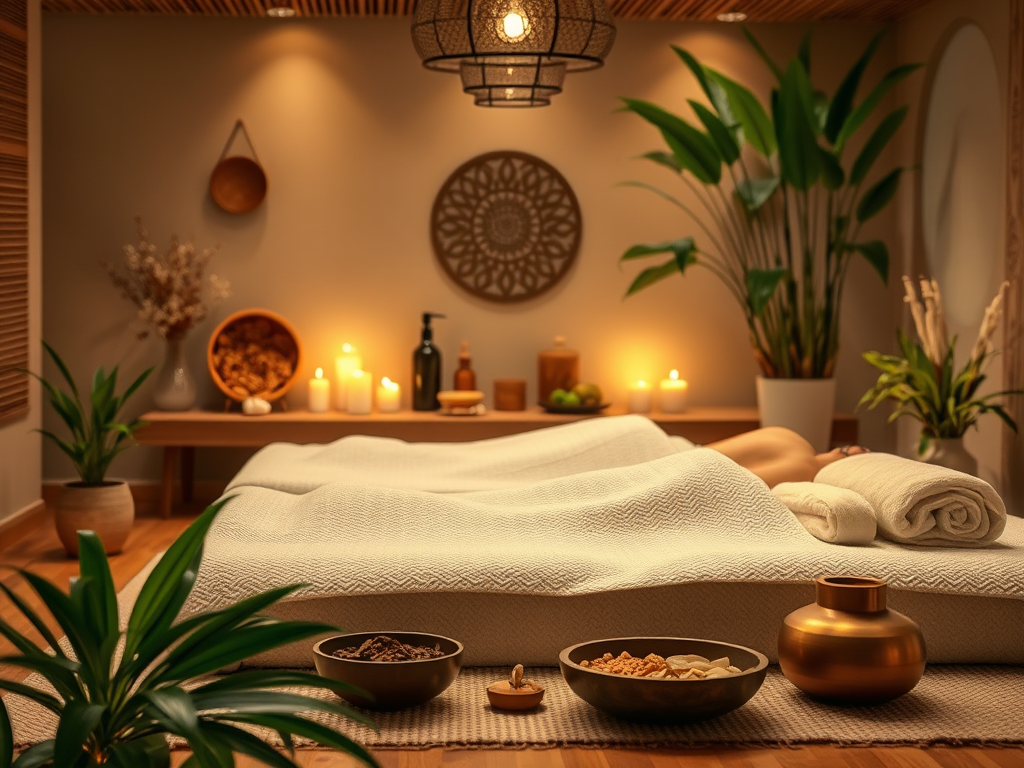
- Benefits needy patients who are approaching swapnadeep ayurveda .
- Patients admitted in all the speciality departments of Ayurveda like Marma, Visha, Sports Medicine, Manasika roga, Sthreeroga etc. are carried out with the help of staff .
- Provides special care for chronic disabling clinical conditions like paralysis etc. who needs utmost care during Panchakarma procedures.

 Best Ayurvedic Doctor & Panchakarma Centre in Kharghar – Swapnadeep Ayurveda